
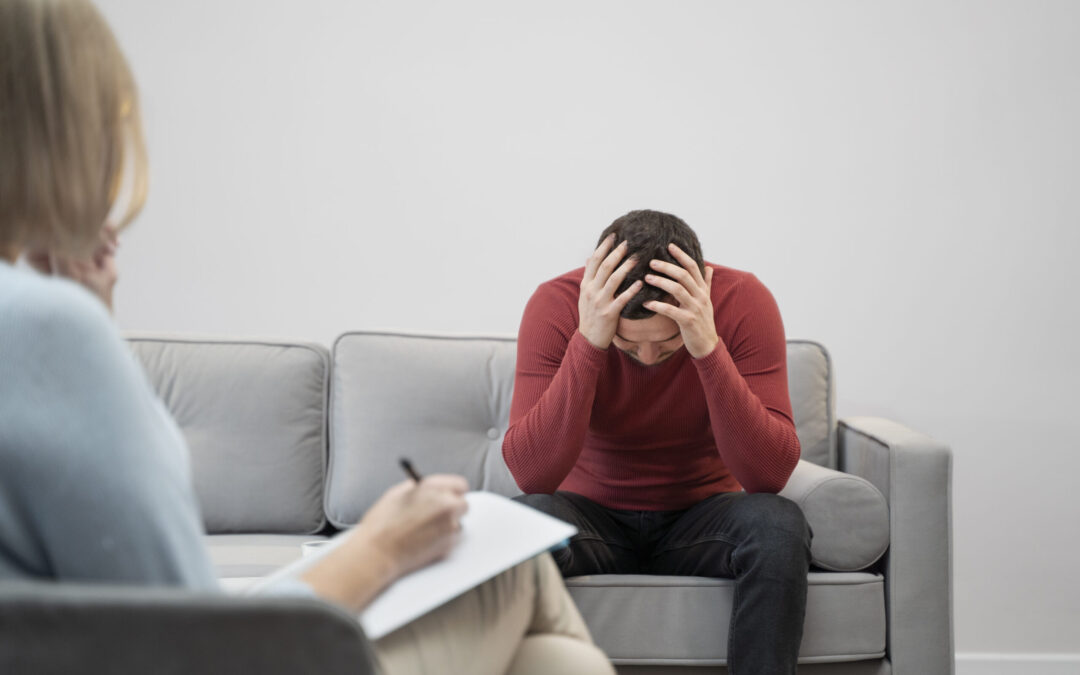
You have tried multiple medications. You have done therapy. You have made lifestyle changes. Nothing works. You are still depressed. You wonder if you will ever feel better or if this is just how life will be.
Your doctors seem frustrated. Your loved ones do not understand why you are not getting better. You feel like you are failing at something everyone else seems able to do.
If you have been searching treatment resistant depression, when antidepressants do not work, or therapy for depression Colorado, you are recognizing something important. Treatment resistant depression is real, and there are options beyond what you have already tried.
At Better Lives, Building Tribes, we work with people in Colorado who have struggled to find relief from depression. This article explores what treatment resistant depression is and what options exist when standard approaches fail.
What Is Treatment Resistant Depression?
Treatment resistant depression (TRD) means you have not responded adequately to at least two different antidepressants at adequate doses for adequate duration. It does not mean you are untreatable. It means standard first line treatments have not worked for you.
TRD affects about 30 percent of people with depression. You are not alone, and you are not failing.
Why Standard Treatments Sometimes Do Not Work
Depression is complex. Standard treatments work for many people, but not everyone. Here is why:
Depression Is Not One Thing
Depression has multiple causes (genetics, trauma, brain chemistry, inflammation, life circumstances). If treatment only addresses one cause, it might not be enough.
Misdiagnosis
Sometimes, what looks like depression is actually something else (bipolar disorder, complex trauma, ADHD, hormonal imbalance). If the diagnosis is wrong, the treatment will not work.
Inadequate Treatment
Sometimes, treatments are not given enough time or at high enough doses. You might need a different approach, not a different medication.
Co Occurring Conditions
If you have other conditions (anxiety, PTSD, substance use), treating depression alone might not be enough.
Biological Factors
Some people metabolize medications differently. Genetics affect how your body processes antidepressants.
What To Try If Standard Treatments Have Not Worked
Here are options beyond first line treatments:
Medication Adjustments
Your doctor might try combining medications, switching to a different class of antidepressants, or adding augmentation strategies (lithium, thyroid hormone, atypical antipsychotics).
Psychotherapy
If you have only tried medication, adding therapy can help. If you have only tried one type of therapy, trying another approach (EMDR, DBT, psychodynamic therapy) might work.
TMS (Transcranial Magnetic Stimulation)
TMS uses magnetic pulses to stimulate specific areas of the brain involved in mood regulation. It is FDA approved for treatment resistant depression and does not involve medication.
Ketamine Therapy
Ketamine works differently than traditional antidepressants and can provide rapid relief for some people. It is available through specialized clinics.
ECT (Electroconvulsive Therapy)
ECT is one of the most effective treatments for severe, treatment resistant depression. Modern ECT is safe and less scary than its historical reputation.
Addressing Underlying Issues
Sometimes, unaddressed trauma, chronic stress, or medical conditions are driving the depression. Treating those can help.
How Therapy Helps When Medication Is Not Enough
Therapy is not a replacement for medication, but it addresses layers medication cannot:
Processing Trauma
If trauma is driving your depression, medication alone will not resolve it. Trauma focused therapy is essential.
Changing Patterns
Medication does not change the thought patterns, behaviors, or life circumstances that contribute to depression. Therapy does.
Building Coping Skills
Therapy teaches you tools to manage symptoms and navigate life stressors.
Creating Meaning
Therapy helps you identify what makes life worth living and build more of that into your days.
Addressing Relational Issues
Depression often involves relationship struggles. Therapy helps you work through those.
At Better Lives, Building Tribes, we offer virtual therapy for adults across Colorado, including specialized approaches for treatment resistant depression.
The Role Of Lifestyle In Treatment Resistant Depression
Lifestyle changes are not a cure, but they can support other treatments:
- Exercise: Physical activity is as effective as some antidepressants for mild to moderate depression.
- Sleep: Poor sleep worsens depression. Addressing sleep issues is essential.
- Nutrition: Inflammation and gut health affect mood. Some people benefit from dietary changes.
- Social connection: Isolation worsens depression. Building connection, even when you do not feel like it, helps.
- Reducing substances: Alcohol and drugs worsen depression. If you are using substances to cope, addressing that is essential.
When To Consider Inpatient Or Intensive Treatment
If you are severely depressed and not responding to outpatient treatment, more intensive options might help:
- Partial hospitalization: You attend treatment during the day and go home at night.
- Intensive outpatient: Several hours of therapy multiple days per week.
- Inpatient hospitalization: If you are in crisis or at risk of harm, inpatient treatment provides safety and intensive support.
How To Keep Going When Nothing Seems To Work
Living with treatment resistant depression is exhausting. Here is how to keep going:
Lower Your Expectations Temporarily
The goal might not be happiness right now. It might just be survival. That is okay.
Celebrate Small Wins
Getting out of bed, taking a shower, going to therapy. These are wins when you are depressed.
Build A Support System
You need people who understand and will not give up on you. Find them.
Hold Hope Loosely
You do not have to believe things will get better. You just have to not give up.
Advocate For Yourself
If your doctor is not taking your concerns seriously or trying new approaches, find someone who will.
How Therapy Supports You Through Treatment Resistant Depression
At Better Lives, Building Tribes, therapy for treatment resistant depression might include:
Validation
We believe you. We do not blame you for not getting better.
Exploration Of Underlying Issues
We help you explore what might be driving the depression beyond brain chemistry.
Building Stability
We help you create stability in your life so you can tolerate trying new treatments.
Processing Grief
Living with chronic depression involves grief. We hold space for that.
Supporting Medical Decisions
We help you navigate decisions about medication, TMS, ketamine, or other treatments.
What Hope Looks Like With Treatment Resistant Depression
Hope does not mean believing everything will be perfect. It means:
- You keep trying new approaches.
- You find small moments of relief, even if they are brief.
- You build a life that is meaningful even with depression.
- You do not give up on yourself.
How Better Lives, Building Tribes Supports Treatment Resistant Depression
At Better Lives, Building Tribes, we understand that treatment resistant depression is painful and isolating. We walk with you through the process of finding what works.
Our approach is:
- Compassionate: We do not judge you for not getting better.
- Persistent: We do not give up on you.
- Holistic: We look at all possible contributing factors.
- Collaborative: We work with your medical providers to support your treatment.
Next Steps: Finding Support In Colorado
If standard treatments have not worked, there are still options. Do not give up.
To start therapy for treatment resistant depression with Better Lives, Building Tribes:
- Visit 2026.betterlivesbuildingtribes.com/ to learn more about our services.
- Schedule a session with Dr. Meaghan Rice or another therapist on our team through the booking link on our site.
- Reach out via our contact form to ask questions or find out if we are a good fit for what you are experiencing.
Treatment resistant depression is hard, but it is not hopeless. With support, you can find what works. We would be honored to help.