
Health and Fitness, Health Care
There is a lot of worry, anxiety and depression we deal with to day. Mindfulness is becoming powerful tool for minds health. Science backs the way to healing, and mindfulness based therapy is the practice of old with modern psychology. Mindfulness-based therapy can help people deal with trauma, anxiety, and sadness. In this blog post, I talk about some of those benefits.
What Are the Advantages of Mindfulness-Based Therapy?
Mindfulness-based therapy, or MBT, is a type of therapy that is based on set times and uses mindfulness practices like meditation and deep breathing in treatment settings. This way of understanding the problem is called MBT (based on mindfulness techniques and designed to make people emotionally strong, self-aware and less stressed). Now let’s look at its pros:
Reduces Stress and Anxiety
Telling people to focus on the present moment without judging it helps people of all types to feel less stressed. It also gives the mind a little time, between a stimulus and a response so worry doesn’t grow any more.
Improves Emotional Regulation
Mindfulness-based treatment helps people figure out what makes them feel bad and how to deal with it. People who deal with strong feelings or mood disorders will benefit a lot from learning this skill.
Boosts Focus and Concentration
Mindfulness exercise changes the way the brain works so that you can focus and pay attention better. In addition to helping with therapy, this benefit also makes daily tasks and decisions easier.
Strengthens Resilience to Adversity
MBT helps people find inner peace, which makes it easier to handle the trials of life with strength and grace.
Supports Holistic Well-Being
Mindfulness-based care, in turn, addresses the whole-person approach in terms of the mind, body, and spirit. It tends to work effectively alongside other treatments for mental health, such as drugs or cognitive behavioral therapy.
MBT is an excellent method for augmenting overall mental health and physical feeling of well being as it is very easy to use and very easy accessible.
What Is Mindfulness Therapy for Anxiety?
Also, it has been used to treat anxiety. Mindfulness keeps people present, not trapped in a cycle of bad thoughts that makes them anxious. Many people are stressed because they think too much about a future that is not known. On the other hand, mindfulness helps people to focus on the present.
How It Works:
- Awareness of Thoughts: Anxiety thoughts will be watched by the individual with the help of mindfulness therapy, without making judgments. Instead, they let those thoughts pass by, like clouds passing in the sky.
- Body Scans and Relaxation Techniques: Individuals let go of tension, stored in muscles, through guided body scans. This tension is usually linked to anxiety.
- Breathing Exercises: Deep breathing in mindfulness slows the heartbeat, thus activating the parasympathetic nervous system to undertake this calming action.
- Non-Reactivity Practice: The concept of mindfulness itself is to respond and not react to anxiety-producing situations, therefore avoiding impulsive or panic-driven behavior.
The first thing that these techniques do within the mindfulness therapy is to aid one break away from the shadow of the anxiety and lead to peace.
What Is the Role of Mindfulness in Trauma Recovery?
This trauma can pull the cords and leave us so disconnected from ourselves and the world around us, it pulls the cords of what we are, and what is going on around us. Trauma recovery is impossible without mindfulness – it’s the safe and gentle form of reconnection with the present moment, which removes the emotional shards of past pain.
Why Mindfulness Is Effective for Trauma:
Fosters Safety and Grounding: Frequently trauma survivors feel stuck in fight-or flight responses. Mindfulness helps them be grounded in the present, feel safe.
Regulates the Nervous System: Meditation and deep breathing are examples of mindfulness practices that help to activate the body’s natural state of relaxation, or appreciation, and balance an overactive nervous system.
Encourages Self-Compassion: Survivors may feel guilty, ashamed or blame self. Self compassion is nurtured by mindfulness because then they can process their emotions without judgment.
Reduces Flashbacks and Intrusive Thoughts: Growth awareness of the present reduces the frequency and power of flashback that are anxiety and trauma oriented.
And for people who were survivors, it’s a powerful tool for regaining power in their life using the skill of mindfulness.
How to Treat Depression Through Meditation and Mindfulness?
People with depression think negatively, have perpetual sadness, and lose interest in things that they once loved. Therapy and medication remain absolutely essential ways to treat sadness the old-fashioned way. However, paying attention and meditating are excellent for a person, too.
The Science Behind Mindfulness and Depression:
The prefrontal cortex and the amygdala are two parts of the brain that change upon doing Buddhism. These changes:
- Slow down the activity in parts of the brain that are linked with having bad thoughts and reflection upon them.
- If you work on how you deal with your feelings, your mood will be more stable.
- Better learn how to deal with stress, which is a big cause of depressive episodes.
Steps to Incorporate Mindfulness for Depression:
Daily Meditation Practice: For 10 to 20 minutes every day, you should do mindfulness meditation. Pay attention to your breath, your body, or the sounds around you. Take small steps to bring your mind back to the present.
Gratitude Exercises: Mindfulness-based gratitude exercises can help people with sadness stop thinking about the bad things in their lives and start focusing on the good things.
Mindful Walking: As you walk, meditate by focusing on each step, the ground beneath you, and the things around you. This technique combines mindfulness with exercise, which makes you feel better.
Mindful Journaling: Don’t judge yourself as you write down your feelings and thoughts. Going back and reading what you wrote in your book can help you see patterns and understand how you feel better.
Mindfulness and meditation can help people get out of a negative thought loop and feel like they have a reason to live.
Final Thoughts
At Better Lives, Building Tribes, we believe that awareness is one of the most important ways to heal emotionally. Mindfulness gives people the tools they need to handle life’s difficulties with grace and strength, whether they use it in trauma recovery, mindfulness-based therapy, or meditation for depression.
As we do these things, let’s strengthen the bonds between us and our communities and make mental health a top concern in the world. We can make lives better and groups that do well if we work together.
Health Care
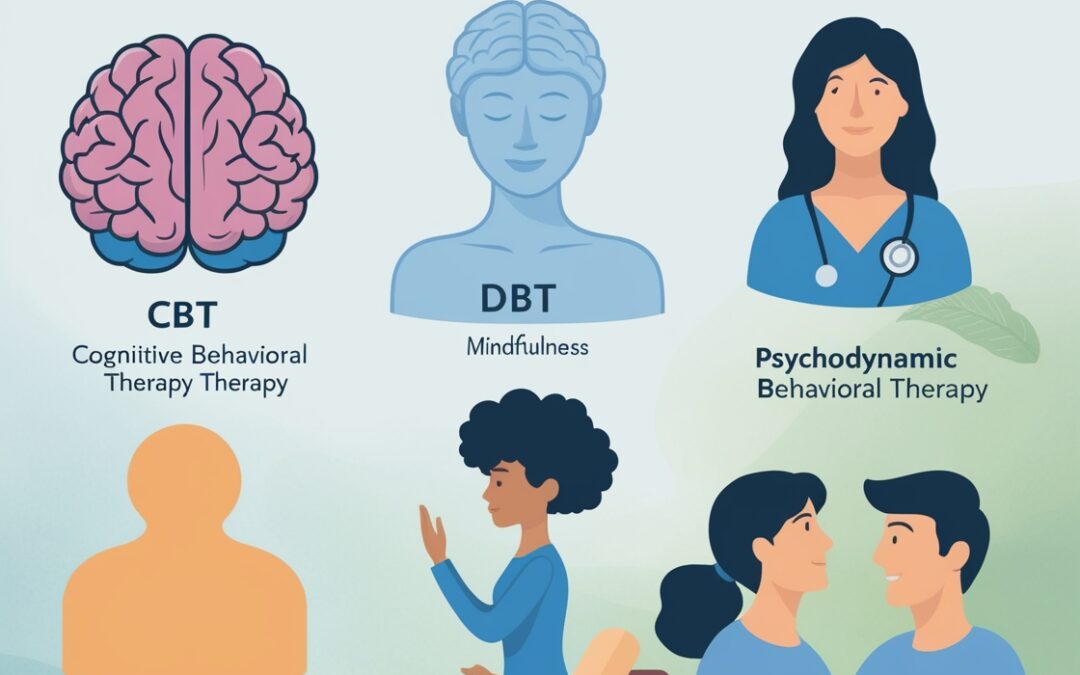
People who are mentally sick can get help in a lot of different ways. As one can imagine, each is designed to fulfill another need and problem-millions of people around the world have mental illness, and there is no one way to help them all. The more forms of therapy a person knows, the better equipped they are in the choices they make concerning treatment either working with a mental health professional or doing research on their own regarding options for therapy. Here are a few common ways people get help for mental illness.
Cognitive Behavioral Therapy (CBT): Most people refer to treatment of mental illness as Cognitive behavioral therapy (CBT). It’s pretty good for a lot of conditions, but quite often it does very well for major sadness, anxiety disorder, even PTSD. Cognitive behavioral treatment aims to help people stop negative thought and action. Through learning, they can come to understand how to treat their symptoms, question irrationally held beliefs, and think and do things differently, more healthfully.
Dialectical Behaviour Therapy (DBT): The use of DBT started as a treatment for people who had the disorder of borderline personality, but now it is used with other disorders too-for example, mood disorders or self-injurious behavior. It has combined use of cognitive behavioral methods and mindfulness based interventions to teach the patient to cope well with stress, control emotion and improve relationships.
Psychodynamic Therapy: This method is derived from Freudian psychology and explores the unconscious feelings and thoughts. The goal of psychodynamic therapy is to bring the person’s attention to how his or her past experiences, particularly those during childhood, impact his or her current behavior and mood. It is typically indicated for depression and other serious mental illnesses.
Humanistic Therapy: Humanistic therapies seek to help people become people, accept themselves and find meaning in their lives. The therapist, for the patient, creates a safe and loving space where he or she talks about their feelings and thoughts without being judged. People who have spiritual problems or want to study themselves are recommended.
Art Therapy and Creative Therapies: It helps people say things they feel and think that are hard for them to say out loud by using artistic activities like painting, drawing, or even playing music. For a traumatized person, it therefore becomes a very constructive means of exploring his or her thoughts without having to speak.
Family and Couples Therapy: Family therapy seeks to enhance the state of affairs in an individual family or relationship. It allows members to understand different problems and needs of each other, hence acting as a very appropriate platform for dealing with pathologies of mental illnesses such as addiction and mood disorders that strike families as a unit. Couples therapy helps individuals in relationships by enabling them to deal with their problems, communicate well, and resolve disputes.
These different treatments offer different ways and tools to help people with different kinds of mental illnesses. They offer people many choices for addressing and resolving challenges.
What Are the Different Kinds of Psychotherapy?
Holding within its boundaries various methods and practices, for a great variety of techniques for ascertainment of the mental illness, the general term under which psychotherapy springs is psychotherapeutic approaches. Depending on how the symptoms present themselves in relation to background and how the person will be operating on a personal level, a therapist may recommend one type of therapy or several and a mix of what would be best. Some are strongly associated with being very good, others for when to use them. Let’s have a closer look at major types of therapy that are used today.
Cognitive Behavioral Therapy (CBT)
Cognitive behavioral therapy or CBT is one of the most famous sorts of therapies. The basis for this kind of treatment is its premise that changing negative thought patterns will change how people feel and, consequently, act. Such treatment can help a lot of mental health problems, including anxiety and depression, with obsessive-compulsive disorder. The relational self is developed through experiences with others from birth onwards; this continues into later life as she describes below.
Relational Therapy
Relational therapy focuses on the relationship that exists among people and deals with the impact of past transactions on the present one. The treatment tries to make the individual aware of how relationships are influencing his or her mental health and try to improve their relations. Using this approach an individual whose connection, trust or attunement for people close to him or her is problematic can benefit from learning from these problems.
Interpersonal Therapy (IPT)
IPT is a type of brief therapy that works on helping the mentally ill improve their social intercommunication. As a sadness treatment, IPT works effectively because it helps a person understand his or her roles in relationships, communicate effectively, and resolve disagreements in relationships.
Psychoanalysis and Psychodynamic Therapy
Psychoanalysis is based on Freudian theory. It deeply analyzes thoughts and feelings which you are unaware you are having. Psychodynamic treatment, however, is a more modern derivative of psychoanalysis. It deals primarily with understanding and overcoming past conflicts which may still be very active in influencing how people act today. This technique can take more time because it attends to the deeply rooted problems.
Mindfulness-Based Therapy
In order to avoid going into the future or the past, mindfulness based practice like meditation is done. Furthermore, it allows you to discover ways to face stress or anxiety or depression and ways to improve your tolerance levels and be kinder and caring with yourself and your thoughts and feelings.
Solution-Focused Brief Therapy (SFBT)
SFBT is a short-term therapy in which belief presides over solving the present problem rather than sticking to the problems in the past. Both the doctor and the client work together in setting achievable goals clearly. This is working very well for those people who need to solve their problems immediately.
Trauma-Focused Therapy
This type of therapy deals only with those who have gone through a traumatic experience within their lives. Generally used trauma focused therapies include Eye Movement Desensitization and Reprocessing and exposure therapy. These techniques help individuals manage the traumatic event and lower the degree of symptoms related to the traumatic event.
As a multiplicity of psychotherapy exists, each works for a different reason(s), understanding that therapists may combine various modalities for their utilization to arrive at a personalized treatment plan tailored to meet your particular needs as the client when necessary.
What Is the Difference Between CBT and Relational Therapy?
Of the most helpful forms of psychotherapy, which have greatly aided the patient in dealing or improving his or her mental health, are cognitive behavioral therapy and social therapy. These two, however, differ significantly in their approaches, objectives, and treatment methods.
Focus on Thought Patterns vs Relationships
They differ primarily in what the treatments are purported to assist with. CBT focuses on unwanted ways of thinking and acting to help individuals recognize and alter cognitive distortions. Cognitive behavioral treatment assists people in coping with symptoms and improving their mental health by way of dealing with their incorrect beliefs; it does this by giving them specific, doable techniques.
Relational therapy, however, is about how people relate to each other and relationships in general. The theory behind relational therapy is that our relationships have a tremendous effect on our mental health and that what we went through in past relationships impacts us today. This helps in finding a better understanding of the relationship, spotting patterns that are not very healthy, and making new and healthier ties.
Structure and Approach
CBT is typically deliberate, brief, and goal-oriented. Quite frequently, it also involves activities and homework to help people practice their new ways of thinking and behaving in real life. Each session has an organized scheme, and each successive session develops from the one before it, in order to reach the therapeutic objectives more easily.
Relational therapy is less structured and more exploratory; hence, the doctor and the client can talk about past relationships and problems they are having with other people right now.
This method is flexible and does not have to be used in a strict order from session to session. In this way, it gives people more time to reflect on their deepest feelings.
Outcomes and Goals
CBT helps many conditions, such as anxiety and sadness, by giving people practical ways to deal with their symptoms. It is also often chosen by individuals who want to address given problems in their mental health through a solution-focused and goal-oriented way.
Relational therapy is suitable for the patient having unresolved interpersonal issues or patterns in forming or maintaining equally healthy connections. It is modeled after understanding the influence of relationships on mental health and aims at allowing clients to formulate healthier and more fulfilling relationships.
Choosing the Right Therapy
They can go for either CBT or relationship therapy, whichever best fits their personal needs and what they need to achieve in the therapy. Those who would seek to have a structured and problem-oriented approach might benefit more from cognitive behavioral therapy. On the other hand, those people who would want to understand how a relationship works and improve their connections with others might benefit more from relational therapy. It can take some time for the individual to work out with a mental health professional which method will most successfully work for the given situation.
Conclusion
There is an abundance of choices when it comes to treating a person that is bitten or attacked by a mental illness. Some of the choices include cognitive- behavioral therapy, relationship therapy, psychodynamic therapy and mindfulness-based therapies that are all different for different people with different needs. Understanding some of the options can provide an avenue toward accessing the right kind of help for the mind. We hope you are able to explore these methods and find the best avenue to heal and grow as an individual here at Better Lives Building Tribes.

Health and Fitness, Health Care
They are thinking and feeling about life that helps us enjoying our lives in positive mental health. However, in recent years there has been an increasing hype over the importance of mindfulness for Cognitive Behavioural Therapy. It combines traditional cognitive therapy and mindfulness practices used to improve the way people think, feel, and act. This is called mindfulness in cognitive behavioral therapy (CBT). In this related blog article on CBT, we shall define what is mindfulness and why it should be an integral aspect of therapy based in mindfulness, how helpful can be the practice of Mindfulness for Depression treatment or if Zen Buddhism, from where mindfulness comes has no scientific support.
What is Mindfulness in Cognitive Behavioral Therapy?
In this process, you are present in the moment. You let your thoughts and emotions be (ie. you accept that this is what it means for something to occur in the present moment without attachment), without judgment, essentially. This is what they do in cognitive behavioral therapy, but to be more aware of how you perceive…things and people…) They’re also better at managing stress and emotional things.
Key Components of Mindfulness in CBT
Awareness: Mindfulness helps to teach people how to be aware of their feelings and thoughts instead of allowing those feelings to control their lives. However, knowing this is very important to be able to spot cognitive distortions, or bad ways to think which can become mental issues.
Acceptance: Being mindful helps people accept their feelings instead of trying to hide or avoid them. By paying attention to our thoughts as they come we can lessen their effect on us, thereby weakening the hold of people.
Present Moment Focus: Mindfulness teaches people to pay attention to the present moment instead of dwelling on the past or worried about the future. This shift in focus can reduce your stress and make you feel overall better.
Adding awareness to cognitive behavioral treatment (CBT) helps clients see things in a more balanced way. This helps them better handle their thoughts and feelings.
What Are the Advantages of Mindfulness-Based Therapy?
Become famous for its countless advantages especially in the mental health treatment area- like guiding and facilitating-Mindfulness based therapy. Here are some key advantages:
Enhanced Emotional Regulation: Mindfulness techniques make people more aware of their emotional responses, which helps them handle their feelings better. This can help people better control their emotions and stay strong.
Reduction in Anxiety and Stress: Mindfulness has been shown to lower anxiety and stress effects by a large amount. If people can teach themselves to be present, it may assist them in manoeuvring out of the worry loop they are stuck in and that cycle of anxiety stimulated thinking.
Improved Focus and Concentration: Mindfulness activities improve cognitive skills like focus and concentration. Very practical for those of us who are attention-challenged or easily distracted.
Better Coping Strategies: Being mindful gives people tools to deal with tough conditions. Instead of responding without thinking, people learn to stop, think, and then answer carefully.
Increased Self-Awareness: Mindfulness methods help people understand themselves better. Self-awareness will empower you mentally and it will let know why does what or they have done.
Holistic Approach: Mindfulness based healing is where you focus on the connection between your mind, body and spirit as a coordinated entity. The vision of wellness can be a change in how Americans hold more respect for people before categorizing them into their diseases — and will force us to make better choices every day.
Anyone can benefit from using mindfulness based therapy and be able to live life better with a healthier mental approach.
What is Mindfulness-Based Cognitive Therapy for Depression?
It consists of a specific type of cognitive therapy called Mindfulness-Based Cognitive Therapy, or MBCT and uses mindfulness techniques. AS the is founded in combining mindfulness strategies with traditional cognitive methods. It was first created to help people who had recurrent depression avoid relapsing.
How MBCT Works
Combining CBT and Mindfulness: MBCT uses cognitive therapy to develop and change the thought pattern and combine with mindfulness method; it also raises awareness about existing moment.
Breaking the Cycle of Depression: If you practice mindfulness, you learn to recognize signs of sadness and negative thought patterns before they take root. This knowledge dictates how they behave, and it puts them back less likely to return.
Group Sessions: People usually do MBCT in group in order to talk about their experiences with other people. That feeling of community can give people a sense of motivation and making people feel like they belong.
Mindfulness Practices: Mindfulness activities include body scanning, mindful moving, meditation, and other. These activities will teach you to relax and notice your thoughts and feelings.
In people who have had depression in the past, MBCT has been shown to greatly lower risk of relapse. Mental health is a good choice for maintenance of mental health in the long run.
Is Mindfulness a Pseudoscience?
There are a lot of people who believe that mindfulness is or is not real science. The claims about mindfulness are not supported by good scientific proof, some critics say. Yet more and more research is now finding that it actually does help people’s mental health.
Evaluating the Evidence
Scientific Studies: A lot of studies have shown that practicing awareness is good for your mental health. Mindfulness based treatments have shown to help people with worry, anxiety and depression.
Neuroscientific Research: New neuroscience findings have helped us figure out how being mindful changes the way our brains work. Different parts of the brain that manage feelings, stress, and attention can change when you practice mindfulness.
Clinical Applications: treatments based on mindfulness are now widely accepted in these settings. Mindfulness techniques are supported by groups like the American Psychological Association as part of treatment methods that have been shown to work.
Critiques and Misconceptions: Some people may call mindfulness pseudoscience because it comes from Eastern philosophies and has vague meanings at times. But the fact that mindfulness techniques are getting more and more scientific support gives them more weight when used in mental health.
And they might say that it’s not a real science, but with more and more proof that it works, it is. Mental health professionals are now using mindfulness practices more and more in therapy.
Conclusion
Mindfulness in Cognitive Behavioral Therapy is a powerful tool to mental well being. It brings together traditional cognitive techniques with mindfulness practices by which people can learn to be more aware, accepting, and regulatable about emotion. Mindfulness based therapy is an advantage of therapy for rehabilitating conditions such as depression offering it a ready hand in mental health’s body.
Better Lives Building Tribes is dedicated to helping people recover from their mental health through resources and support. No matter what therapeutic approach you are exploring — from mindfulness based cognitive therapy to other approaches — our team can help you through the process of getting a better life. Today take the first step of healing know embrace the power of mindfulness.

Health Care
Why are people so reluctant to go to couples therapy?
Going to treatment with your partner can change your life. It can help couples work out their issues, talk to each other better, and feel closer. Even though it may be helpful, they are still afraid to get help from a professional. If you know why someone does not wish to attend therapy, you can help them rid their fear and go. These are the reasons why so many don’t want to do couples therapy.
Stigma Around Therapy
The shame that many people associate with mental health treatment is one of the biggest reasons people don’t get themselves into couples therapy. Too many are scared to go to therapy because it’s a ‘thing’ you’re supposed to be weak or have failed. It might make them feel bad because they’re scared their friends or family will judge them for asking for help. Fighting this shame and making therapy seem normal as a healthy way to keep a relationship strong is important for getting couples to ask for help.
Fear of Confrontation
In couples therapy, it’s common to talk about tough themes and deal with problems that haven’t been solved. A lot of people are afraid that talking about these touchy issues will cause fights or emotional upheaval. What stops people getting to therapy is not that they have a lack of problem, it’s that they’re scared of dealing with the problem. But if the talk takes a bad turn, a good therapist can help steer it in a healthful direction and give the couple an overhead where they can resolve these issues.
Doubt About Effectiveness
Some couples aren’t sure if treatment will really help their relationship get better. Some may have heard different things from family or friends, or they may not trust the process itself. This worry can keep them from going to therapy in the first place. Really important to know that how well therapy works rests a lot on how willing the couple is to work on things and how good the therapist is at what they do. Therapy gives a lot of pairs useful tools and new ideas that help them make changes for the better.
Financial Concerns
The price of therapy can be a big turnoff for many partners. Attending therapy can cost a lot, and not all insurance plans cover these kinds of care. Two people might think they can’t afford therapy if they’re already struggling financially in other areas of their life. Scary therapy, but they’re paying for the health of the relationship, and the life this will enable. Because therapy isn’t particularly cheap, many therapists offer payment plans or some kind of sliding scale set according to income.
Time Constraints
Couple’s have little time to make it a priority to see a therapist in modern life that is often busy and demanding. On account of the numerous work obligations, family responsibilities and other needs scheduling regular therapy sessions can be difficult. More or less, some couples manage to come by the idea that ‘they are now too busy’ to devote time to their relationship. Yet, therapy is time consuming, but it’s worth your time and energy because it can have amazing long term benefits.
Belief That Problems Will Resolve Themselves
Some couples feel their problems are quickly going to work themselves out. This type of mindset almost encourages a passive attitude towards relationship problems and the ideas of some of those issues can broil and grow. Some conflicts will fade away, but many need to be proactively resolved for good. Couples who realize that therapy can help them work through communication and understanding issues tend to weather their challenges easier.
Fear of Change
Even things that result in a healthier relationship can be scary to change. For some, this means they fear therapy will result in big changes to the dynamic of your relationship, and that is disturbing. And there’s a fear that this will be something that they have no idea how to begin, so couplings are afraid to take the plunge and go to therapy. But, it’s important to note that change can equal positive growth, closeness and a more fulfilling partnership.
Previous Negative Experiences
People who’ve had bad experiences in the past with therapy might not like to try again with someone they meet and see if they are a good fit for them. This is why you may have felt the doctor just wasn’t listening, or simply wasn’t getting it, or wasn’t offering you good advice. One person is skeptical about the value of therapy because of bad experiences in the past. It may be different for each pair and each therapist to find the right fit. Couples should be aware that not all therapists are the same.
Desire to Maintain Privacy
Couples may feel nervous talking with a stranger about their own things. However, it can be hard for people to want to seek therapy because of the idea of opening up about some very intimate aspects of their relationship. Added to all other reasons, privacy concerns could also worsen this hesitancy, for people may be wondering whether confidentiality is being guaranteed, or the therapist divulging their details. Yet, therapists are subject to ethical guidelines mandating confidentiality which facilitates exploration of the problem in couples.
Misunderstanding the Therapy Process
A lot of people don’t understand what couples therapy really is. An awful lot of people think that treatment is only for couples who are about to split up or for people who want to blame or accuse each other. This misunderstanding can lead to anxiety and also resistance. However, in reality, common people need not wait until they have ruined where they can benefit from therapy, and therapists don’t usually blame couples but work to foster constructive communication and understanding.
Individual Issues Taking Precedence
Sometimes the problems are in the relationship itself rather than with one or both of the people in it. Sometimes, your partner is too busy dealing with their own challenges: mental health issues, work stress, or family dynamics, to be in the headspace to focus on couples therapy. Problem is, fixing individual problems will help the relationship as a whole. However, many therapists will recommend that individuals deal with problems within their relationship at the same time as they work on personal issues in a more well rounded way.
Waiting for the “Right Time”
A lot of couples assume they are able to work things out on their own, and should give relationship issues time to resolve themselves before going to therapy. But you can’t always start therapy at a perfect moment, and often waiting makes it worse. Doing something about it quicker rather than waiting to react to it can help with small issues before they become big issues.
Conclusion
Learning what keeps couples away from seeking couples’ therapy is essential to dissipating the barriers and persuade couples to go and seek help. Although the road towards finding a therapist is daunting, the potential benefits are significantly more than the challenges. Some therapies have a safe and supportive environment whereby couples take the opportunity to talk more about things and figure out ways to deal with problems together.
So if you (or your partner) is going through a hard time in your relationship, don’t get put off by a lack of trust or fear. A big step to building a healthier, more happiness relationship is getting help from a skilled couples therapist. It is not a sign of weakness to ask for help, it just means you know that what you are doing is bad for your relationship and are prepared to take the braver steps so that it is better.

Health Care
13 Signs It’s Time to Go to Couples Therapy
They aren’t beautiful, but they can be relationships. They must be worked and understood. However, the ups and downs of a partnership can become so very challenging for many couples. But partners using couples therapy can become valuable resources to use in the case of these issues, communicating better and regaining their sense of bond. It’s not a last resort, and it can also be a proactive step towards building a healthy relationship. It is hard, however, to know when you really need professional help. If you’re one of those people that are thinking to yourself whether you and your partner should do couples therapy, then here are 13 signs to tell you it’s time you go in the room.
Frequent Arguments
There could also be bigger problems if you and your partner don’t fight over big things and do fight over small things. If there is always disagreement in a relationship, it can make the person get angry and get closer. Couples treatment can begin to answer why these arguments are occurring and how to better deal with problems.
Communication Breakdown
Every relationship has to have good conversation. If you find you can’t talk freely to people, or if you get confused more often than not when you do talk to them, then you might benefit from therapy. A therapist can teach you how to easily say what you want to say and just how to talk by yourself.
Emotional Disconnection
Feeling mentally distant from your partner can be scary. If you no longer feel attached or spend more time apart than you used to you may have a problem. You may need to get help. Couples therapy is a safe place for the two people to talk about their feelings and rebuild emotional closeness once again.
Loss of Trust
My belief is that trust is most important in healthy friendship. Couples treatment can help people that are better if trust has been broken by cheating, lying or other actions. The partners can get help from a therapist, so either of them can help the other partner to rebuild trust and establish new, better habits for the future to come.
Unresolved Past Issues
Old problems that you have not solved find their way to your present and bring tension. Time to bring up the old grudges in therapy if they keep showing up again and again in arguments and conversations. A professional can help a couple get past past arguments and continue on with their lives.
Different Life Goals
Goals and interests may vary with people as they grow. Couples therapy may help you and your partner if you’re heading in different directions with your job goals, family planning or lifestyle choices. Therapists can do that – to find what you have in common and to build a plan of the future that suits all.
Decreased Intimacy
Physical or mental closeness loss in the relationship can be a big sign that something went wrong in the relationship. Couples therapy can help you and your partner understand why it’s not as good as you remember. And it can also help get your relationship back on track.
Feeling Stuck or Trapped
If you find yourself stuck in a loop of negativity or your relationship hasn’t moved forward anymore, it’s important to get help. Couples therapy can teach you how to recognize and remove some of the poor habits that hold you back and teaches you how you can do so much better.
Life Transitions
It’s not that easy when two people move in together, have a kid, or lose a loved one. Treatment can help you get through if these changes are making it hard. While a couple is adjusting to its new jobs and responsibilities a therapist can help them to stay close.
Frequent Thoughts of Separation or Divorce
You and your partner need to talk about some serious issues if you often think about stopping the relationship or getting a divorce. People in couples therapy can talk about their fears and feelings and figure out the best way to move forward, whether that’s making the relationship better or ending it on good terms.
Feeling Unsupported
Some people feel lonely and angry when they think their partner isn’t helping them emotionally or in their personal goals. Couples therapy can help both people better understand what the other person needs and create a caring space.
External Stressors Impacting the Relationship
Some stressors are outside your relationship like stress at work or financial issues or problems with family; these stressors will also have a bearing on your connection. Couples therapy can help you to get through stressful times in your life and strengthen your relationship if you and your partner are struggling to work together because of these stresses.
Desire for Personal Growth
Couples therapy isn’t just for marriage counselors you know that you have problems. It could also make couples who don’t want problems, who just want to know more about each other. It can be a wonderful time for you and your partner to learn and to learn new things and new tools to grow ourselves and family.
Conclusion
But it can be hard to recognize when it’s time to seek couples therapy, which really is one of the best things to do for the sake of your relationship being healthy. It’s a safe, supportive space for both to feel comfortable saying what’s on their minds, talking through problems, and making up again. If couples made this proactive move, they could better connect with one another and end up with a more harmonious partnership.
If any of the above signs sound like you, don’t be afraid to consult a licensed couples therapist too. Help seeking is a brave and helpful step that can lead to important changes for the good in your relationship. With similar work and support, you and your partner can once again appreciate your love and partnership because you feel understood and fortified.

Health Care
Can Couples Counseling Save a Relationship?
Today’s fast-paced world can make it hard to keep a healthy, happy relationship going. There will always be disagreements and mistakes, which makes many couples wonder if they can save their relationship. Couples counseling has become a popular way to deal with problems in relationships because it gives partners a safe place to talk, heal, and grow. We will talk about the pros and cons of couples therapy, how it works, and whether it can really save a relationship in this blog.
Understanding Couples Counseling
It’s also called marriage therapy or relationship counseling. Couples counseling is a type of therapy that helps couples work out their problems, communicate better, and grow closer. The meetings are led by a trained therapist who helps couples have conversations that they might find hard to have on their own.
Couples therapy isn’t meant to find fault, but to help people understand each other and work together to solve problems. It gives both people a safe place to talk about their thoughts, feelings, needs, and wants.
Common Reasons Couples Seek Counseling
There are many reasons why couples go to therapy, such as:
Communication Problems: Misunderstandings and not being able to talk to each other clearly can cause big problems in a relationship.
Infidelity: Betrayal can break trust, making it hard for two people to get back together.
Financial Stress: Problems with money are a main reason why people fight with each other.
Parenting Style Differences: Having different ideas about how to parent can cause problems.
Emotional Disconnection: Partners may feel emotionally distant or cut off from each other, which can make them feel lonely.
Benefits of Couples Counseling
Better communication
One of the best things about couples therapy is that it can help partners talk to each other better. A therapist can teach a couple how to talk about their feelings and thoughts in a way that helps them understand each other instead of making them defensive. Partners can learn to talk about their wants and concerns in a healthy way by actively listening and using good communication skills.
Conflict Resolution
Couples can deal with and solve their problems in a healthy way with the help of counseling. Partners can learn how to handle disagreements with understanding and constructive ways to solve problems instead of letting them turn into hurtful fights. This change can help people feel like they can work together again.
Rebuilding Trust
Counseling can help couples who have been cheating on each other or who have lost trust in each other get back together. Therapy can help people who have been betrayed understand the pain it caused, look into the problems that led to the betrayal, and come up with a plan for slowly rebuilding trust.
Enhanced Emotional Intimacy
Counseling can help couples get back together emotionally. Couples can talk about and work on their feelings for each other in a safe environment, and they may rediscover love and respect that had faded. This kind of emotional closeness can make a relationship more rewarding and happy.
Professional Guidance
Dealing with complicated relationship problems can be hard, and hearing another person’s point of view can be very helpful. Couples can get help from a therapist to figure out what behaviors might be making their problems worse and how to break those loops.
How counseling for couples works?
Usually, there are several steps to couples counseling:
Assessment: During the first sessions, the therapist will learn about the couple’s past relationships, present problems, and counseling goals.
Setting Goals: The therapist will help the couple come up with clear goals for the therapy.
Intervention: The therapist will help the couple deal with their problems, improve their communication, and come up with ways to deal with stress by using a variety of therapeutic methods.
Follow-up: As the couple makes success, the therapist will keep looking at their relationship and make changes to the treatment plan as needed.
Can Counseling Save Your Relationship?
The success of couples counseling relies on how willing both people are to work through the process. While counseling can give people the tools and techniques they need to get better, it takes commitment and work from both sides. Here are some things that can affect how therapy works:
Motivation: To work on their connection, both people involved must want to do so. If one person doesn’t want to take part, it could slow down progress.
Openness to Change: Couples need to be willing to talk about their feelings, deal with tough issues, and change how they act. For things to go well, people must be willing to learn and grow.
Time and Patience: It takes time to fix a friendship. Couples should go to counseling with realistic goals and a willingness to be patient, knowing that success may come slowly.
Professional Support: It’s very important to pick the right doctor. Couples should look for a relationship counselor who has worked with people who have had problems like the ones they are having.
In conclusion
Counseling for couples can be very helpful for people who want to save their relationship. Couples can work toward a healthier and more satisfying relationship by communicating better, resolving disagreements, rebuilding trust, and becoming more emotionally close. But, in the end, counseling only works if both people involved are committed and ready to go through with it.
If things are getting tough in your relationship, you might want to talk to a trained couples counselor. You can get through tough times and improve your relationship with your partner if you both work hard and have support.